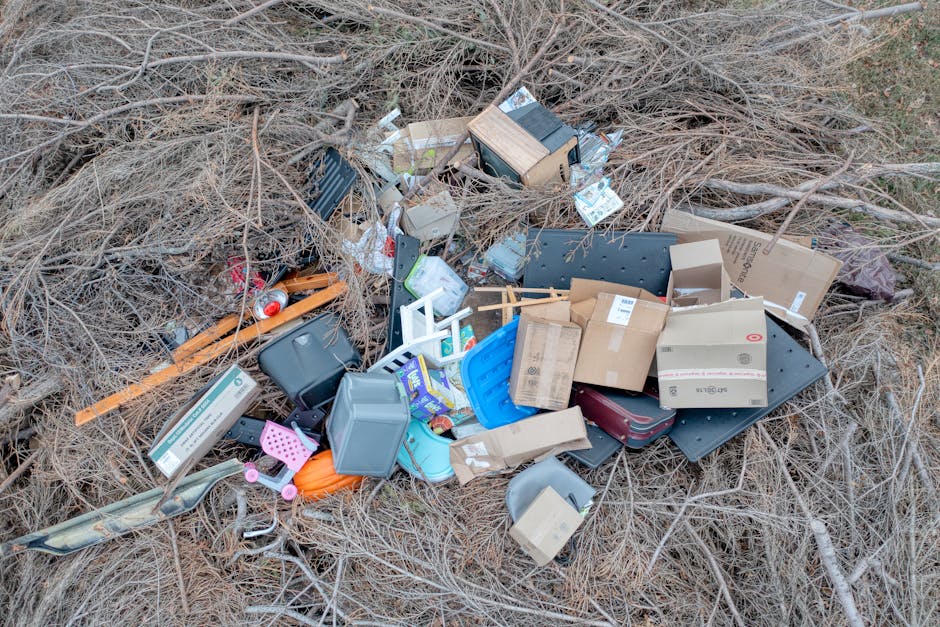
West Kensington council fines for illegal cleaning waste disposal: what residents and cleaners need to know
If you are dealing with West Kensington council fines for illegal cleaning waste disposal, chances are you are trying to make sense of a messy situation quickly. Maybe a cleaner left bags by the bins. Maybe waste from an end-of-tenancy job was dumped in the wrong place. Or perhaps you have been told that your cleaning waste was classed as fly-tipping, and now you are wondering what happens next. To be fair, it can feel alarming. The good news is that most problems are avoidable once you understand how responsibility, evidence, and proper disposal actually work.
This guide explains the basics in plain English: why fines happen, how enforcement typically works, what kind of cleaning waste causes trouble, and what practical steps help you stay safe. It also covers common mistakes, compliance expectations, and a simple checklist you can use before the waste leaves the property. If you run a business, work as a cleaner, or just want to avoid an avoidable headache, this is for you.
Why West Kensington council fines for illegal cleaning waste disposal matters
Illegal waste disposal is not just a paperwork issue. It affects pavements, shared bin stores, estate entrances, loading bays, and the little back alley spots where rubbish tends to gather when nobody is looking. In a busy part of London, waste left in the wrong place can become a nuisance very fast. Bags split. Liquids leak. Vermin turn up. Neighbours complain. And once a council starts investigating, the question becomes less about intention and more about responsibility.
For cleaning jobs, the risk is easy to underestimate. A deep clean may produce vacuum contents, packaging, old cloths, broken items, or contaminated materials. An after-builders clean can generate plaster dust, rubble, tape, and scraps. A one-off domestic clean may involve old bedding, small electrical items, or furniture that should not go in the ordinary household stream. If that waste is dumped, left beside communal bins, or handed to the wrong person, a fine may follow. It sounds blunt, but that is how these things often land.
There is also a reputational angle. One complaint about fly-tipping can quickly shift a landlord's view, a managing agent's patience, or a customer's trust. If you operate a cleaning business, that matters almost as much as the fine itself. A clean job should end with a clean handover, not a trail of bags and crossed wires. You know the sort of thing: the job looks spotless inside, then the last two bin bags sit there at the kerb like they never got the memo.
For homeowners, tenants, and cleaners alike, understanding the issue is a practical form of protection. It helps you choose the right disposal method, keep records, and avoid the kind of mistake that turns a routine job into an awkward conversation. In that sense, knowledge is cheaper than a penalty. Much cheaper.
How West Kensington council fines for illegal cleaning waste disposal works
Although the exact enforcement process can vary by case, council fines for illegal waste disposal usually come into play when waste is dumped, left in the wrong place, or handed over without proper duty of care. The core idea is simple: if the waste can be traced back to you, your business, or your property, you may need to explain where it came from and how it was disposed of.
In practice, councils often look at clues such as location, timing, packaging, labels, vehicle details, CCTV, witness reports, or documents showing who handled the waste. A cleaning business that has no waste transfer records, no booking notes, and no clear disposal route may struggle to defend itself. On the other hand, a business that can show a sensible process, even if a problem happened, is in a much better position.
Cleaning waste is not all treated the same. A small amount of general household waste is different from contaminated items, bulky furniture, plaster debris, or waste from commercial premises. That distinction matters because the disposal method should match the material. If you are cleaning a rental flat after a move-out, for example, the waste may include everything from broken hangers to old food containers. The right response is to sort, separate, and dispose of it properly, not just bundle everything into one mystery bag and hope for the best.
Some councils issue fixed penalties for certain offences, while more serious cases can lead to further action. It is worth saying carefully: the details depend on the situation and on current local enforcement practice, so nobody should assume one headline number applies to every case. If you are uncertain, treat it seriously and gather the facts quickly.
A useful way to think about it is this: the council is usually asking four questions. Who produced the waste? Who moved it? Where did it go? Can you prove it? If you can answer those without hesitation, you are already ahead of many people who get caught out.
Key benefits and practical advantages
Doing waste disposal properly is not only about avoiding a penalty. It also makes the whole job calmer, faster, and easier to hand over.
- Lower legal risk: Clear disposal steps reduce the chance of a fine or investigation.
- Better client trust: Customers feel more confident when a cleaner handles waste responsibly.
- Smoother property handovers: This matters especially for end-of-tenancy jobs and landlord inspections.
- Cleaner shared spaces: Bin stores and access routes stay usable for everyone.
- Less last-minute stress: You are not scrambling for a solution when the bags are already outside.
There is a practical benefit people miss: good disposal habits often save time. It may sound odd, but sorting waste properly at the end of a job is usually faster than revisiting a mess later. One cleaner, one van load, one documented route. That is tidy work. It also reads well on paper if anyone asks.
For cleaning companies, proper waste handling can support better operations more broadly. It ties neatly into safer work methods, better staff training, and a more reliable service overall. If you are already thinking about standards and procedures, pages like health and safety policy, recycling and sustainability, and insurance and safety are useful starting points for building a more controlled process.
Who this is for and when it makes sense
This topic matters to more people than you might first think. It is not only for large contractors or waste firms. Everyday cleaning work can create enough rubbish to trigger problems if it is not handled carefully.
You should pay close attention if you are:
- a tenant clearing up after a move-out;
- a landlord arranging a property clean before re-letting;
- a cleaner working for private homes or offices;
- a facilities manager responsible for shared bins or commercial waste;
- a builder or decorator leaving debris after a refresh job;
- anyone disposing of old furniture, fixtures, or contaminated cleaning materials.
It also makes sense if you are booking a service that may create waste during or after the clean. For example, after-builders cleaning often produces debris that cannot simply go out with general rubbish. Likewise, end-of-tenancy cleaning, house cleaning, or office cleaning can all generate waste that needs thought, not guesswork.
Sometimes the trigger is tiny. A few bags left beside a communal bin. A mattress placed next to the skip because it is "nearly there". A cleaner assuming someone else will sort it out. Honestly, that last one happens more than people admit. Waste management is one of those tasks everyone assumes is obvious until it goes wrong.
If you are unsure whether a particular item counts as ordinary rubbish, bulky waste, or something more controlled, stop and check before moving it. That pause can save a lot of trouble.
Step-by-step guidance
Here is a practical, no-nonsense process you can use before any cleaning waste leaves the property.
- Identify the waste types. Separate general waste, recyclable materials, sharp items, bulky items, and anything contaminated.
- Check what cannot go in regular bins. Bulky furniture, construction debris, and some electrical items often need a different route.
- Choose the disposal method early. Decide whether the waste is going to a council collection point, a licensed waste route, or a proper skip arrangement.
- Keep waste contained. Use strong bags, closed boxes, or wrapped bundles so nothing leaks or blows around.
- Record what happened. Keep notes, photos if needed, and any receipts or service details.
- Do not leave waste in limbo. If it is on a pavement, in a doorway, or by a bin store, it can become a problem very quickly.
- Confirm the handover. Make sure the person responsible for the waste knows exactly where it is going.
For a domestic clean, the process may be simple. For an office or commercial job, it often needs one extra layer of organisation, especially where several cleaners are involved. If you are running teams, use a checklist at the end of each visit. It sounds basic. It is basic. And basic is good when fines are involved.
Quick rule: if you cannot explain the waste route in one sentence, the route probably is not clear enough yet.
Expert tips for better results
The best prevention usually comes from habits, not heroic interventions after the fact. A few small systems make a big difference.
1. Separate waste at source. Do not wait until the end of the job. If you can split rubbish as you go, you are less likely to mix harmless waste with awkward materials.
2. Train staff on what counts as fly-tipping risk. It is not enough to say "be careful". Give people examples. Leftover carpet underlay, used cleaning chemical containers, broken fittings, dusty rubble, and old textiles are all different situations.
3. Use written job notes. A clean invoice is helpful, but it does not always show what happened to the waste. Notes about removal, quantities, and disposal points are better than memory alone.
4. Photograph the finished state where sensible. A quick picture of a cleared room or properly bagged waste can be useful if there is later a dispute.
5. Be careful with communal bin areas. Shared spaces create confusion. If waste is not marked, agreed, or timed correctly, it can be mistaken for dumped rubbish.
6. Don't improvise at the last minute. That is where people get caught. The van is full, the job is done, and someone says, "just leave it here for now". Famous last words, that.
For businesses offering broader cleaning services, a well-run process usually sits alongside internal policies and customer terms. A page like terms and conditions can help set expectations, while pricing and quotes can clarify what the service includes. That kind of clarity reduces misunderstandings before they turn into arguments.
Common mistakes to avoid
Most waste-disposal fines are not the result of a dramatic disaster. They usually come from ordinary, repeatable mistakes.
- Leaving bags outside a property overnight without checking permission or collection timing.
- Mixing cleaning waste with building waste and then assuming it can all be handled the same way.
- Using someone else's bin area as if it were a public drop-off point.
- Not keeping proof of disposal or any notes about who took responsibility.
- Assuming the landlord, tenant, or building manager will sort it out after the job.
- Ignoring bulky items because they are inconvenient to deal with.
Another common issue is casual delegation. One person thinks another person has arranged the disposal, and nobody confirms it. Then the bags sit there. It is a very human mistake, but still a mistake. If several people touch the job, appoint one person to own the final waste check.
On the customer side, the biggest mistake is probably assuming all waste is the cleaner's responsibility. That is not always true. Responsibility depends on the service agreement, the source of the waste, and the agreed arrangements. If a job creates waste beyond normal household rubbish, it is better to clarify that in advance rather than after the event.
Tools, resources and recommendations
You do not need fancy systems. You need practical ones.
- Waste segregation bags or boxes: Helpful for separating reusable, recyclable, and general waste.
- Job notes or digital checklists: Simple records of what was removed and where it went.
- Phone camera: A quick visual record can settle a disagreement later.
- Team briefing sheet: Useful if multiple cleaners work the same site.
- Customer handover notes: Clear wording prevents "I thought you were taking it away" conversations.
If you want to build a more compliant cleaning operation, it helps to look at the business as a whole, not just the bin bags. Pages such as about us, cleaning company, and cleaners are useful for understanding how a service presents its standards and responsibilities. For more specific service planning, deep cleaning, after builders cleaning, and one-off cleaning are all jobs where waste handling deserves extra attention.
Sometimes the right recommendation is simply to choose a cleaner or contractor who takes waste seriously. That is not glamorous, but it is wise. The neatest finish is the one nobody has to tidy up twice.
Law, compliance, standards, or best practice
When cleaning waste disposal is discussed in a compliance context, the core principle is duty of care: waste should be stored, moved, and handed over responsibly, with a sensible trail of evidence. In everyday terms, that means you should know who handled the waste, how it was contained, and where it went.
Best practice usually includes the following:
- keeping waste separate where possible;
- using appropriate containment for spillable or sharp materials;
- making sure waste is not left accessible in public or shared areas;
- using documented collection or disposal routes where suitable;
- retaining enough information to explain the disposal later if asked.
It is also sensible to understand the difference between household rubbish, commercial waste, bulky items, and construction-related debris. Those categories are often treated differently in practice, and confusion here can cause avoidable problems. If you are arranging cleaning for a rented home, an office, or a post-renovation space, the safest approach is to plan waste handling as part of the service, not as an afterthought.
Important note: enforcement decisions can depend on evidence and local circumstances. If there is a dispute, keep your own records calm, factual, and complete. No drama needed. Just facts.
Options, methods, or comparison table
Here is a simple comparison of common waste-handling approaches for cleaning jobs.
| Method | Best for | Pros | Watch-outs |
|---|---|---|---|
| Standard household bin disposal | Small amounts of ordinary waste | Simple and familiar | Not suitable for bulky, contaminated, or restricted items |
| Scheduled collection or booked removal | Predictable waste after a planned clean | Clearer responsibility and better records | Needs coordination and timing |
| Segregated disposal by waste type | Mixed jobs with recyclables and general waste | Reduces errors and improves control | Requires discipline from staff |
| Bulk clearance arrangement | Bulky items, old furniture, heavy debris | Suitable for larger clear-outs | Must be organised properly and not left in public areas |
If you are deciding between methods, think about volume, material, urgency, and traceability. Traceability is the bit people forget. It matters more than they think.
Case study or real-world example
Imagine a small flat in West Kensington at the end of a tenancy. A cleaner comes in after the tenants have moved out. The kitchen has packaging, old cloths, some spoiled food containers, and a broken shelf. The hallway also has a few bags from a decluttered cupboard. Nothing dramatic. But if those bags are left by the communal bins because "collection is tomorrow", the building manager may see an illegal dump rather than temporary storage.
Now imagine the same job handled differently. The cleaner separates the waste, bags it securely, checks what can go into the ordinary stream, and confirms where the bulky item will go. A quick photo is taken after the room is cleared. The client receives a brief note explaining what was removed. If anyone asks later, the answer is already there.
That second version is calmer for everyone. The flat is ready, the entrance stays clear, and nobody is chasing explanations. It is a tiny operational detail, really, but tiny details are often the ones that save you from council attention. As they say, the little things add up.
For businesses that regularly handle this kind of work, the same discipline helps across domestic cleaning, office cleaners, window cleaning, and upholstery cleaning. The exact waste profile changes, but the principle stays the same: don't wing it.
Practical checklist
Use this quick checklist before any cleaning waste leaves the site.
- Have I identified the waste type correctly?
- Is anything bulky, sharp, contaminated, or likely to require special handling?
- Do I know exactly where the waste is going?
- Is the waste bagged, boxed, or wrapped securely?
- Will the waste be left in a shared or public area at any point?
- Have I recorded the disposal arrangement?
- Do the customer and cleaner both understand who is responsible?
- Do I need photos or notes for evidence?
- Could this disposal create a complaint from neighbours or building management?
- Have I checked whether a larger service such as house clearance is actually more suitable?
If you can tick all ten, you are in a much safer place. Not perfect, maybe, but safe enough for most real-world jobs. And that counts.
Get a free quote today and see how much you can save.
Conclusion
West Kensington council fines for illegal cleaning waste disposal are usually avoided by simple, disciplined habits: separate the waste, keep it contained, know the disposal route, and document what happened. That may not sound exciting, but it is the difference between a clean finish and a stressful follow-up. If you are a resident, tenant, landlord, or cleaner, the safest move is to treat waste as part of the job from the start, not the leftovers at the end.
Truth be told, most problems do not begin with bad intentions. They begin with someone being busy, rushed, or assuming someone else has it covered. A few extra minutes of clarity can prevent a whole lot of awkwardness later. And that is worth taking seriously.
If you need a structured, practical approach to waste-aware cleaning, choose methods and services that build compliance in from the outset. It makes life easier, keeps properties tidier, and helps everyone sleep a bit better at night. Which, let's face it, is not a bad outcome.
Frequently Asked Questions
What usually triggers West Kensington council fines for illegal cleaning waste disposal?
Fines are usually triggered when cleaning waste is dumped, left in a public or shared place, or traced back to a person or business that cannot show proper disposal. Missing records and poor waste handling often make things worse.
Is cleaning waste treated the same as household rubbish?
Not always. Small ordinary waste may be treated like household rubbish, but bulky items, building debris, contaminated materials, or commercial waste can require a different disposal route.
Can a cleaner be fined if the customer asked them to leave bags outside?
Potentially yes, if the waste was left illegally or irresponsibly. A request from the customer does not automatically remove responsibility, so it is best to agree the disposal method clearly before the job starts.
What evidence should I keep if I dispose of cleaning waste properly?
Keep job notes, receipts where relevant, photos of the cleared area, and anything that shows where the waste went. A short written trail can be very helpful if a complaint comes up later.
How can I avoid illegal disposal during an end-of-tenancy clean?
Plan for waste before the visit starts. Separate bulky items, confirm who is responsible for removal, and do not leave anything in shared entrances, pavements, or bin areas unless it is allowed.
Do cleaning companies need a formal waste process?
Yes, ideally. A simple written process helps staff know what to do, reduces mistakes, and shows that the business takes duty of care seriously.
What if I am not sure whether an item is fly-tipping risk?
Pause and check before moving it. If there is any doubt, treat it as a separate disposal decision rather than assuming it can go with ordinary waste.
Are office cleaning jobs a waste-disposal risk too?
They can be. Office cleaning may produce packaging, broken equipment, confidential waste, or bulky items. That means the disposal method should be considered as part of the service.
Is it enough to just put waste near the bins?
No, not unless it is explicitly permitted and correctly timed. Leaving waste beside bins is one of the most common ways people accidentally create an illegal disposal problem.
Can better recycling practices help reduce fine risk?
Yes. Good recycling and waste separation make disposal more controlled and less confusing. They also reduce the chance of mixing items that should be handled differently.
Who should be responsible for waste at the end of a cleaning job?
That should be agreed in advance. In a professional setting, one person should own the final waste check so nothing is left to assumption or guesswork.
Where can I find more information about service standards and customer expectations?
Useful starting points include the company's about us, terms and conditions, and contact us pages, which can help clarify how a cleaning service operates and what it expects from customers.