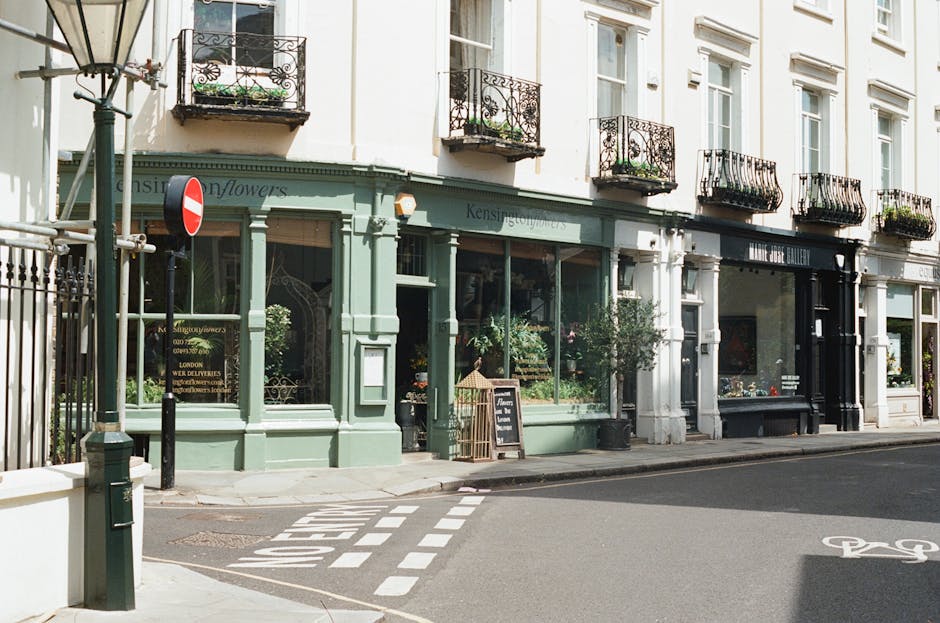
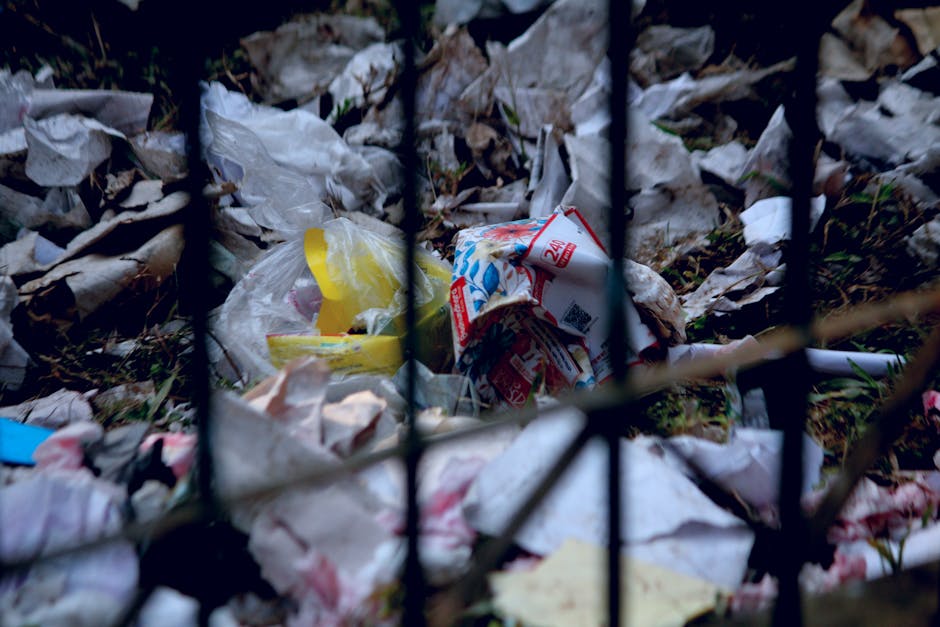
West Kensington council rules on waste disposal for cleaners
If you clean homes, offices, or rental properties in West Kensington, waste disposal can turn into a surprisingly messy part of the job. One minute you're finishing a carpet edge or wiping down skirting boards; the next, you're staring at bags of hoover debris, discarded packaging, used cloths, and the awkward question of what counts as general rubbish, what needs special handling, and what should never go into a household bin. The practical reality is this: West Kensington council rules on waste disposal for cleaners matter because a tidy finish is only half the job. The other half is making sure waste is handled safely, legally, and without creating extra hassle for the client or the cleaner.
This guide breaks it down in plain English. You'll find the main principles, a simple step-by-step process, common mistakes to avoid, and the best ways to stay organised on site. To be fair, most cleaning teams don't need a law degree here - they just need a sensible routine, decent separation habits, and a clear understanding of what local collection rules can affect.
Table of Contents
- Why West Kensington council rules on waste disposal for cleaners matters
- How West Kensington council rules on waste disposal for cleaners works
- Key benefits and practical advantages
- Who this is for and when it makes sense
- Step-by-step guidance
- Expert tips for better results
- Common mistakes to avoid
- Tools, resources and recommendations
- Law, compliance, standards, and best practice
- Options, methods, and comparison table
- Case study or real-world example
- Practical checklist
- Conclusion
- Frequently asked questions
Why West Kensington council rules on waste disposal for cleaners Matters
Waste disposal is not just an end-of-job detail. For cleaners, it affects legality, efficiency, client trust, and sometimes even safety. In a busy London setting, waste can build up fast: black bin liners from a deep clean, used paper towels after an oven clean, empty product bottles, dust from builders' work, or bulky items left behind after an end-of-tenancy clean. If those materials are handled poorly, the result can be complaints, delays, or a very awkward conversation with the property owner.
Local council rules matter because collection arrangements, bin presentation expectations, recycling standards, and what counts as fly-tipping can all shape how waste should be left, moved, or reported. Cleaners who work across homes and commercial sites need a simple approach that respects the local system rather than assuming every waste item can be treated the same way. That assumption causes trouble. Fast.
There's also a reputation issue. A client rarely remembers every polished surface if they find rubbish bags dumped in the wrong place or a recycling bag contaminated with food residue and wipes. On the other hand, when waste is managed neatly, the whole service feels more professional. That is one reason many people prefer a structured cleaning company with clear internal processes rather than ad hoc help.
Expert summary: Treat waste handling as part of the cleaning specification, not an afterthought. The safest approach is to separate waste types, keep hazardous materials out of general bins, and confirm site-specific collection arrangements before the job starts.
How West Kensington council rules on waste disposal for cleaners Works
In practice, waste disposal for cleaners usually works through a combination of common local-sense rules and broader UK waste principles. The exact collection arrangements may depend on the property type, the landlord or managing agent, and the waste service in use. That's why the smartest cleaners don't guess; they ask.
Here's the broad picture. Most day-to-day cleaning waste falls into one of these groups:
- General non-recyclable waste such as heavily soiled paper, used wipes, and vacuum contents that cannot be recycled.
- Recyclable waste such as certain clean cardboard, plastic bottles, or packaging, where the site's recycling setup allows it.
- Bulky waste such as broken furniture, mattresses, or large items left behind after a clearance-style clean.
- Hazardous or specialist waste such as chemicals, sharps, contaminated materials, or anything that should not go into routine bins.
For cleaners, the challenge is not just recognising the category. It's knowing what happens next. Can the waste be placed in the client's bin? Does it need bagging separately? Is there a specific storage area? Must the client arrange a bulky collection? These are the questions that save time later.
In some situations, the cleaner's role is only to bag and sort waste neatly for the occupier to present at collection time. In others, especially with vacated properties or larger jobs, the cleaner may need to arrange removal through a proper route. If the job is more complex - say after a major refurbishment or when debris is spread through several rooms - a service like after builders cleaning can help because it is usually planned around heavier waste and more detailed finish work.
A sensible waste routine also ties into the service type. A light domestic clean creates a very different waste profile from end of tenancy cleaning, where abandoned items, damaged packaging, and forgotten clutter turn up more often. Office jobs have different expectations again, especially if shredding, confidential paper, or kitchen waste is involved. And yes, the office tea bag mountain is real. We've all seen it.
Key Benefits and Practical Advantages
Following the right waste disposal approach gives cleaners a few very real advantages. First, it cuts down on disputes. If the client knows what will be removed, what will be left bagged, and what must be collected separately, there is much less room for confusion.
Second, it protects time. A cleaner who sorts waste properly on site does not have to backtrack later because a sack was left in the wrong place or a recyclable load was contaminated. One small error can create an annoying chain reaction - not dramatic, just irritating, the sort of thing that steals twenty minutes from an otherwise smooth day.
Third, it helps with safety. Broken glass, needles, heavy debris, damp waste, and chemical containers all deserve more care than a normal bin bag. Clear disposal habits reduce the chance of slips, cuts, odours, and cross-contamination. That matters whether you're working in a family home or a shared workplace.
Fourth, it supports a stronger environmental approach. Many clients care about recycling and sustainability now, and rightly so. A professional cleaner who can explain how waste is separated and handled feels more trustworthy. If sustainability is part of the service you want to highlight, it is worth looking at the company's recycling and sustainability approach as a useful benchmark.
Finally, it makes quotations and job planning cleaner, if you'll pardon the pun. Waste has a cost, even when it's only time and labour. When expectations are clear from the outset, pricing discussions become more honest and more stable. For that reason, some teams also fold waste-related considerations into their pricing and quotes process rather than leaving them as a surprise later on.
Who This Is For and When It Makes Sense
This topic matters to a lot of people, not just one type of cleaner. If you're a self-employed cleaner, you need a repeatable routine that protects your time and keeps your work tidy. If you run a small team, you need consistency across staff. If you manage a property or book contractors, you want clear expectations before anyone arrives with bags, cloths, and a vacuum.
It especially makes sense in these situations:
- End-of-tenancy cleans where the property may include leftover waste or abandoned items.
- Deep cleans where old clutter, dust, and packaging build up quickly.
- Office cleaning where paper waste, kitchen rubbish, and confidential materials may appear.
- Post-renovation or after-builders work, where fine dust and debris need more careful handling.
- House clearances where bulky or mixed waste must be separated before removal.
For households, the issue can also come up during recurring domestic work. A cleaner may not be expected to remove large waste loads, but they may still need to bag general waste, separate recyclables, and leave the area ready for collection. If the job is wider in scope, services such as house cleaning or domestic cleaning may need a clearer waste-handling note in the service agreement.
And if the property is a workplace, the boundary between cleaning and waste management becomes even more important. Teams that handle office cleaning or work through cleaners assignments often need to know exactly which bins can be used, where waste should be staged, and whether anything must be reported instead of removed.
Step-by-Step Guidance
Here's a straightforward way to handle waste disposal without overcomplicating the job. Nothing fancy. Just a dependable system that works on real jobs, on real mornings, when people are rushing and the kettle is already on.
- Check the job scope before arrival. Find out whether you are removing only cleaning waste, or also handling leftover household rubbish, packaging, or bulky items.
- Identify the waste types as you go. Separate general rubbish, recycling, and anything potentially hazardous. Don't leave it to the end if you can help it.
- Use the client's bin system correctly. Only place waste in bins that are intended for that property and collection setup. If you are unsure, ask.
- Bag waste securely. Loose waste creates odour, mess, and unnecessary risk. Double-bag if needed, especially for damp or sharp items.
- Keep chemicals and specialist materials apart. Cleaning products, empty aerosols, and any contaminated materials should be handled carefully and not casually tipped into general waste.
- Label or separate problem items. If something can't be disposed of normally, make that clear to the client or manager immediately.
- Leave the site tidy. Waste should be organised, contained, and ready for the appropriate collection route. No mystery bags left beside the gate. It happens, unfortunately.
If the job involves larger waste volumes, a separate service such as house clearance may be a better fit than standard cleaning alone. That distinction is important. Not every cleaning visit should quietly become a clearance job halfway through the afternoon.
For a practical comparison, think of it like this: a quick one-off cleaning visit may produce only a small bag of rubbish, while a post-let move-out may generate multiple waste streams that need more planning. Different jobs. Different rules of thumb.
Expert Tips for Better Results
There are a few habits that make a big difference, and most of them are simple enough to become second nature after a week or two.
- Prepare a waste question on your booking form. Ask whether there will be leftover rubbish, broken items, or bulky waste before the job starts.
- Carry the right bags. Strong sacks, clear liners, and a spare roll or two avoid the awkward mid-job scramble.
- Separate wet and dry waste early. A wet cloth bundle mixed with cardboard can ruin a recycling load.
- Watch for hidden hazards. Nail fragments, blades, broken glass, and old batteries are the sort of thing nobody sees until they're already in the wrong bag.
- Keep a short disposal note for repeat clients. Sounds small, but it saves time on recurring jobs.
- Train every cleaner the same way. One person's "I thought that was fine" can become the whole company's headache.
In our experience, the best cleaning teams are not the ones that improvise brilliantly every time. They are the ones that don't need to improvise much at all.
Another useful habit is to align disposal expectations with the job type. For example, deep cleaning may involve heavier dust and residue, while carpet cleaning can create disposal issues around recovered dirt, packaging, and disposable protective materials. It's all manageable. It just needs a plan.
Common Mistakes to Avoid
Most problems in waste disposal are avoidable. They usually come from rushing, assuming, or skipping one small check. The tricky part is that the mistake often looks minor in the moment.
- Mixing all waste together. This is the most common one. Once recycling is contaminated, it often becomes general waste anyway.
- Leaving rubbish beside the wrong bin. If the collection point is not clear, waste can sit for days or trigger complaints.
- Assuming the client wants disposal included. Never assume. Clarify what is and is not part of the service.
- Ignoring bulky items. A single broken chair can change the whole disposal plan.
- Forgetting hazardous materials. Aerosols, chemicals, razors, batteries, and sharp debris need more thought.
- Not checking access. If bins are in a locked yard or shared area, you need the access details before the job begins.
A small human error can become a very visible issue, especially in shared buildings. Once one resident thinks bags were left in the wrong place, everyone suddenly has an opinion. Not ideal.
If your work extends beyond standard domestic jobs, the same caution applies to specialist services such as sofa cleaning, upholstery cleaning, and oven cleaning, where residues, cloths, and used materials may need careful bagging rather than ordinary disposal.
Tools, Resources and Recommendations
You do not need a huge kit to get this right. A few dependable tools and a sensible process go a long way.
- Heavy-duty waste bags for mixed debris and damp materials.
- Clear or colour-coded bags where a job needs visible sorting.
- Label tape and marker pens for identifying waste that must not be mixed.
- Disposable gloves and sturdy hand protection for handling sharp or dirty materials.
- A small storage crate or caddy for separating minor waste streams while you work.
- A job checklist so waste handling is not forgotten once the cleaning starts.
From a business point of view, it helps to keep your waste approach written down in your service notes, staff instructions, or site checklist. That is especially useful if you operate as a broader cleaning company rather than a sole trader who can keep everything in their head. Heads are brilliant, but they do forget things after lunch.
It is also worth having a simple policy about what you will not remove. For example, some teams do not handle sharp medical waste, large appliances, or suspected hazardous materials unless there is a separate arrangement. Clear boundaries protect everyone. If you're ever unsure about risk controls, a look at the company's health and safety policy can be a helpful internal reference point.
Law, Compliance, Standards, and Best Practice
Waste disposal in the UK is shaped by broad legal duties around proper handling, segregation, and preventing illegal dumping. For cleaners, the safest approach is to treat waste as a responsibility, not a convenience. That means using lawful disposal routes, avoiding fly-tipping, and keeping hazardous or specialist items out of ordinary bins unless they are specifically accepted there.
Because council collection rules can differ by property type and local arrangement, you should never guess at the right disposal method for non-routine waste. If the job includes a lot of waste, or items that are not part of standard household rubbish, it is sensible to pause and confirm the correct route before acting. That is especially true in flats, managed blocks, and commercial sites where bin access and collection rules may be more restrictive.
Best practice usually means:
- separating waste streams wherever possible;
- storing waste securely until it can be collected properly;
- keeping sharp or hazardous items away from loose general waste;
- documenting any special disposal expectations before the job starts;
- ensuring staff are trained not to improvise with unknown materials.
If you provide regular commercial work, it can also help to make waste handling part of your internal compliance routine alongside insurance, access checks, and staff safety. Some clients will expect that level of care anyway. And honestly, they should.
For trust and accountability, many businesses fold these expectations into their wider operational pages, alongside insurance and safety information and broader service terms. That makes the rules visible, which is always better than trying to explain them after something has gone wrong.
Options, Methods, and Comparison Table
Not every waste situation needs the same method. Choosing the right route depends on volume, risk, and the type of property. Here's a practical comparison.
| Method | Best for | Advantages | Watch-outs |
|---|---|---|---|
| Bag and leave for standard collection | Light domestic cleaning waste | Simple, quick, low-cost | Only works if the site bin arrangement accepts it |
| Separate recycling from general waste | Packaging, clean cardboard, suitable plastics | Better environmental outcome, more professional | Contamination can make the load unusable |
| Client-arranged bulky collection | Furniture, broken large items, post-move waste | Proper route for large waste loads | Needs planning and clear communication |
| Specialist disposal route | Hazardous or unusual materials | Safer, more compliant | May need extra time or separate handling |
There is no single perfect answer. The best method is the one that matches the job. A light window cleaning visit should not be handled like a post-renovation clear-out, and a routine home cleaners booking usually does not need the same disposal setup as a full move-out or office overhaul.
If in doubt, keep it simple and safe. That usually beats being clever.
Case Study or Real-World Example
Picture a small flat in West Kensington after a tenancy ends. The cleaner arrives expecting standard dusting and bathroom work, but the place also contains broken cardboard boxes, a partly filled bin, old wipes, and a couple of items the tenant left behind in a rush. Nothing dramatic - just enough to complicate the final tidy.
A good process changes the outcome quickly. The cleaner separates general waste from recyclables, bags the rubbish securely, checks which items the landlord wants recorded rather than removed, and leaves a short note about the leftover items that could not go into the usual bin. The client gets a clean property with no confusion, and the cleaner avoids the risk of dumping something in the wrong place.
Now compare that with the rushed version. Everything goes into one bag, the bag leaks, the shared bin area becomes messy, and somebody in the building complains. Same room. Same rubbish. Very different result. Waste handling really is that sensitive.
That is why specialist services such as end of tenancy cleaning and office cleaners benefit from a clearer disposal plan than a standard light clean. The more people and surfaces involved, the more important it becomes to control the waste trail.
Practical Checklist
Use this quick checklist before, during, and after the job. It keeps things calm when the day gets busy.
- Confirm what waste is expected on site.
- Ask who is responsible for removal of bulky items.
- Check bin access and collection arrangements.
- Carry strong bags and basic separation supplies.
- Keep hazardous, sharp, or unusual items apart.
- Do not mix recyclables with contaminated waste.
- Leave waste neatly contained and in the agreed location.
- Report anything that cannot be disposed of normally.
- Document unusual waste issues on the job note.
- Review the process after the job if something felt unclear.
That last one matters more than people think. A five-minute review after the job can save an hour the next time.
Get a free quote today and see how much you can save.
Conclusion
Waste disposal may not be the glamorous side of cleaning, but it is one of the most important parts of getting the job right. When cleaners understand West Kensington council rules on waste disposal, they protect the client, the building, their own schedule, and their professional reputation. Simple separation habits, clear communication, and a careful approach to unusual waste are usually enough to keep everything moving smoothly.
If you build waste handling into the job from the start, it stops being a problem and becomes just another sign of good workmanship. And that, in the end, is what clients really notice - the quiet competence, the tidy finish, the sense that everything has been thought through.
For more on the company's approach to working safely and responsibly, you may also find it helpful to review the about us information and related service details as you plan the right cleaning setup for your property.
Frequently Asked Questions
What do West Kensington council rules on waste disposal mean for cleaners in practice?
In practice, they mean cleaners should separate waste properly, use the correct bins or collection route, avoid leaving rubbish in the wrong place, and treat hazardous or bulky items with extra care. The exact setup depends on the property and the type of waste involved.
Can cleaners put general rubbish in the client's bin?
Sometimes yes, but only if the client's bin system is intended for that waste and the arrangement is agreed in advance. If the job creates more waste than expected, it is better to confirm before filling the bin.
Are cleaners responsible for recycling as well as general waste?
Often they are responsible for sorting waste sensibly, but not necessarily for processing every recyclable item. The key is to avoid contamination and follow the property's disposal system where one exists.
What should a cleaner do with broken glass or sharp debris?
Handle it carefully, secure it in a suitable container or heavy bag, and keep it separate from loose general waste. Do not leave sharp items exposed in a bin area where someone could get cut.
Do waste disposal rules change for end-of-tenancy cleaning?
Yes, they often become more important because vacated properties can contain abandoned rubbish, mixed waste, and occasional bulky items. End-of-tenancy work usually needs a clearer plan than routine domestic cleaning.
What happens if a cleaner leaves waste in the wrong place?
It can lead to complaints, missed collections, and in some cases a dispute about who should clear the mess. In a shared building, one wrongly placed bag can quickly become everyone's problem.
Should cleaners take away bulky items left behind by tenants?
Only if that has been agreed and the cleaner or company has the right disposal route. Bulky waste is usually better treated as a separate task rather than assumed to be part of normal cleaning.
Is there a difference between cleaning waste and hazardous waste?
Yes. Cleaning waste is usually ordinary rubbish such as used cloths or packaging, while hazardous waste may include sharp items, chemicals, batteries, or contaminated materials that need more careful handling.
How can cleaners reduce waste problems before the job starts?
Ask a few simple questions at booking: what waste is present, whether there are bulky items, and how the property wants rubbish handled. A short pre-job check saves a lot of guesswork later.
Does office cleaning create different waste issues from home cleaning?
It often does. Offices may involve paper waste, confidential materials, kitchen rubbish, and shared-bin rules. Homes usually involve smaller volumes, but the disposal expectations can still vary a lot.
What is the safest default approach if I am unsure about a waste item?
Keep it separate, do not mix it into general waste, and ask the client or property manager for instructions. When a cleaner is unsure, caution is usually the best professional choice.
Where can I check related cleaning and safety information for a service booking?
Useful supporting pages include the site's health and safety policy, insurance and safety information, and terms and conditions, which help set expectations around service scope and safe working.